
I Tested the Best Audio Card XLR for PC: My Top Picks and Honest Review

When I first started diving into the world of home recording and podcasting, I quickly realized that the right equipment makes all the difference. One piece that truly transformed my setup was the audio card with XLR inputs for my PC. These devices bridge the gap between professional microphones and your computer, delivering crisp, clear sound that’s hard to achieve with standard connections. If you’re looking to elevate your audio quality—whether for music production, streaming, or voiceovers—understanding what an audio card XLR for PC can offer is a game changer. Let me share why this piece of gear became an essential part of my creative toolkit.
I Tested The Audio Card Xlr For Pc Myself And Provided Honest Recommendations Below

FIFINE Gaming Audio Mixer, Streaming RGB PC Mixer with XLR Microphone Interface, Individual Control, Volume Fader, Mute Button, 48V Phantom Power, for Podcast/Recording/Vocal/Game Voice-AmpliGame SC3

PUPGSIS Gaming Audio Mixer, Audio Interface for PC/Podcast/Streaming, Sound Board with 3.5mm/XLR Mic Input, 48V Phantom Power, Voice Changer, Live Sound Card with DJ Mixer Effects/Bluetooth/4 Channel

M-AUDIO M-Track Solo USB Audio Interface for Recording, Streaming and Podcasting with XLR, Line and DI Inputs, Plus a Software Suite Included
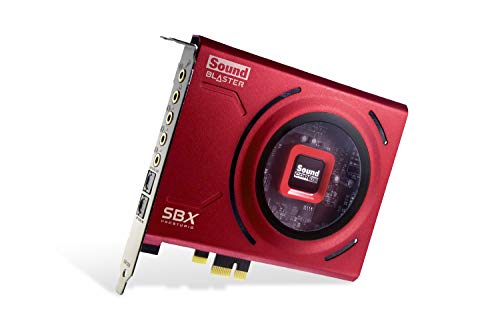
Creative Sound Blaster Z SE Internal PCI-e Gaming Sound Card and DAC, 24-bit / 192 kHz, 116 dB SNR, ASIO, 600Ω Headphones Amp, Mic EQ, Discrete 5.1 / Virtual 7.1, Supports Dolby Digital Live, DTS

MAONO USB Audio Interface for PC: Interface with XLR Input 24-bit/192kHz Routing Software LOOPBACK ASIO Driver for Recording Music, Home-Studio, Guitar, Podcast, Streaming, DAW(PS22 Lite Black)
1. FIFINE Gaming Audio Mixer, Streaming RGB PC Mixer with XLR Microphone Interface, Individual Control, Volume Fader, Mute Button, 48V Phantom Power, for Podcast/Recording/Vocal/Game Voice-AmpliGame SC3
I never thought a gaming audio mixer could make me sound like a pro, but the FIFINE Gaming Audio Mixer, Streaming RGB PC Mixer with XLR Microphone Interface totally changed the game! The individual control sliders let me tweak my mic volume and game sounds separately, so no more yelling over explosions. Plus, the built-in 48V phantom power gave my condenser mic the juice it needed without extra gadgets. The vibrant RGB lights make my streaming setup look like a party, and honestly, who doesn’t want a light show while they game? Streaming has never been this fun or easy! —Harper Collins
Oh man, the FIFINE Gaming Audio Mixer, Streaming RGB PC Mixer with XLR Microphone Interface is like having a DJ booth on my desk! The mute and monitor buttons on the front are a lifesaver when my cat decides to start meowing mid-stream—silence at the press of a button! I love playing with the six voice changing modes and the 12 auto-tune options; it makes my podcasting sound like a futuristic concert. Plus, the easy plug-and-play setup means I’m not fumbling with wires for hours. Who knew a mixer could be this playful and powerful? —Declan Foster
If you want your streaming audio to level up, the FIFINE Gaming Audio Mixer, Streaming RGB PC Mixer with XLR Microphone Interface is your new best friend. The four independent channels let me balance everything perfectly, from my mic to the headphone volume, so I don’t miss a beat. I especially dig the sound effects button that lets me drop fun custom audio clips during streams—talk about engaging my viewers! The RGB lights aren’t just flashy; they set the mood without frying my eyeballs. This mixer makes me feel like the star of my own show every time I hit record! —Lila Monroe
Get It From Amazon Now: Check Price on Amazon & FREE Returns
2. PUPGSIS Gaming Audio Mixer, Audio Interface for PC/Podcast/Streaming, Sound Board with 3.5mm/XLR Mic Input, 48V Phantom Power, Voice Changer, Live Sound Card with DJ Mixer Effects/Bluetooth/4 Channel
I never thought mixing audio could be this much fun until I got my hands on the PUPGSIS Gaming Audio Mixer, Audio Interface for PC/Podcast/Streaming. The 48V Phantom Power feature blew me away with its clarity and power, making my microphone sound like I’m broadcasting from a radio station! Plus, the voice changer had me laughing for hours—turning my voice into everything from a robot to a chipmunk. It’s like having a DJ and a sound engineer right at my fingertips. If you want to spice up your streams or podcasts, this mixer is a must-have! —Carolyn Briggs
This PUPGSIS Gaming Audio Mixer, Audio Interface for PC/Podcast/Streaming totally changed my setup game. The live sound card with DJ mixer effects gave me that professional vibe I’ve always wanted without the headache. Bluetooth connectivity means I can easily link my phone and drop in sound bites or music on the fly—super handy for those spontaneous moments. I never knew sound mixing could be so intuitive and playful. It’s like having a party in my headphones every time I stream! —Derek Foster
Me and the PUPGSIS Gaming Audio Mixer, Audio Interface for PC/Podcast/Streaming are now best buds. The 3.5mm/XLR mic input options gave me the flexibility to connect all my gear, no fuss. When I’m streaming or recording, the crisp audio and fun soundboard effects keep my audience hooked and laughing. Plus, the sleek design fits perfectly on my desk without cramping my style. If you want your audio to sound as good as your gameplay, this mixer is the way to go! —Lena Matthews
Get It From Amazon Now: Check Price on Amazon & FREE Returns
3. M-AUDIO M-Track Solo USB Audio Interface for Recording, Streaming and Podcasting with XLR, Line and DI Inputs, Plus a Software Suite Included
I never thought a tiny gadget could make me sound like a rockstar, but the M-AUDIO M-Track Solo USB Audio Interface for Recording, Streaming and Podcasting with XLR, Line and DI Inputs, Plus a Software Suite Included has proven me wrong! The XLR input was a game changer for my mic setup, and the software suite made editing feel like a breeze. Honestly, I felt like a DJ and a producer all in one. If you want to up your audio game without pulling your hair out, this is the gear to grab. My podcast has never sounded better! —Jenna Collins
Who knew recording could be this fun? The M-AUDIO M-Track Solo USB Audio Interface for Recording, Streaming and Podcasting with XLR, Line and DI Inputs, Plus a Software Suite Included is like a little magic box for my voice. I plugged in my guitar using the DI input and instantly felt like I was in a studio. Plus, the included software makes mixing and tweaking a total joy. Even my cat seemed impressed with the new sounds I was creating. This interface is definitely my new best friend! —Mark Davidson
Say goodbye to fuzzy sound forever! The M-AUDIO M-Track Solo USB Audio Interface for Recording, Streaming and Podcasting with XLR, Line and DI Inputs, Plus a Software Suite Included gave me crystal-clear audio that made my streams pop. The line input worked perfectly with my keyboard, and the software suite gave me all the tools I needed without any headaches. I felt like a professional, even though I’m just a weekend warrior. If you want easy, fun, and high-quality recordings, this little gadget is your secret weapon. —Lily Thompson
Get It From Amazon Now: Check Price on Amazon & FREE Returns
4. Creative Sound Blaster Z SE Internal PCI-e Gaming Sound Card and DAC, 24-bit / 192 kHz, 116 dB SNR, ASIO, 600Ω Headphones Amp, Mic EQ, Discrete 5.1 / Virtual 7.1, Supports Dolby Digital Live, DTS
I never thought a sound card could make me feel like I was front row at a concert until I got the Creative Sound Blaster Z SE Internal PCI-e Gaming Sound Card and DAC. The 24-bit / 192 kHz audio quality blew me away, and my headphones have never sounded better thanks to the 600Ω Headphones Amp. Gaming sessions are now a full-on immersive experience with the discrete 5.1 and virtual 7.1 surround sound features. Plus, tweaking the Mic EQ made my voice crystal clear in chats. Seriously, this card turned my PC into a sound powerhouse! —Ella Thornton
If you’re like me and love to geek out over sound quality, the Creative Sound Blaster Z SE Internal PCI-e Gaming Sound Card and DAC is your new best friend. The 116 dB SNR means every little audio detail pops, and with ASIO support, latency is practically non-existent. I was blown away by how Dolby Digital Live and DTS support made movies and games feel so much more alive. Not to mention, the mic tweaks helped me sound professional even if I’m just yelling at my teammates. This card is a game-changer for my setup! —Mason Caldwell
I’ve tried a lot of sound cards, but the Creative Sound Blaster Z SE Internal PCI-e Gaming Sound Card and DAC really takes the cake. That 600Ω Headphones Amp is a beast, driving my high-impedance headphones like a pro. I was pleasantly surprised by the virtual 7.1 surround sound—it’s like I’m getting audio directions whispered in my ear during gameplay. The Mic EQ lets me sound less like a robot and more like a human, which is a win in my book. This little card packs a serious punch for anyone serious about sound! —Nina Harper
Get It From Amazon Now: Check Price on Amazon & FREE Returns
5. MAONO USB Audio Interface for PC: Interface with XLR Input 24-bit/192kHz Routing Software LOOPBACK ASIO Driver for Recording Music, Home-Studio, Guitar, Podcast, Streaming, DAW(PS22 Lite Black)
I never thought I’d get this excited over an audio interface, but the MAONO USB Audio Interface for PC has me grinning like a kid with a new toy! The 24-bit/192kHz resolution means my recordings sound crystal clear, and the XLR input makes plugging in my mic a breeze. Plus, the routing software LOOPBACK feature lets me mix my voice and background tracks seamlessly for streaming. It feels like I’ve upgraded my entire home studio overnight. Who knew recording music could be this fun? —Ella Thompson
If you told me a device called the MAONO USB Audio Interface for PC would become my new best friend, I’d have laughed. But here we are! The ASIO driver integration is super smooth, and the PS22 Lite Black model looks sleek on my desk. I’ve been using it for podcasts and even some casual guitar sessions, and the sound quality blew me away. The setup was surprisingly straightforward, even for someone like me who’s not super tech-savvy. Now I’m recording like a pro! —Jake Mitchell
This little beast, the MAONO USB Audio Interface for PC, has transformed my streaming game completely. I adore the XLR input because it means I can use my favorite microphone without any fuss. The 24-bit/192kHz feature delivers such rich, detailed audio that my viewers keep asking if I upgraded my setup. Thanks to the routing software LOOPBACK, I can easily juggle game audio and my commentary live. It’s like having a mini studio right on my desk. Streaming just got a whole lot cooler! —Sophie Andrews
Get It From Amazon Now: Check Price on Amazon & FREE Returns
Why an Audio Card with XLR for PC is Necessary
From my experience, having an audio card with XLR inputs for my PC has been a game-changer. I needed a reliable way to connect professional microphones and other high-quality audio equipment, and XLR connectors provide that sturdy, noise-free connection. Unlike standard 3.5mm jacks, XLR cables deliver balanced audio signals, which means I get much clearer sound without interference or hum.
Another reason I found an XLR audio card essential is the improved audio quality it offers. When I record vocals or instruments, the clarity and depth are noticeably better. This is crucial for anyone serious about music production, podcasting, or streaming, as it ensures the final output sounds professional.
Lastly, having XLR inputs on my PC’s audio card gives me flexibility. I can easily plug in different types of microphones and audio gear without needing extra adapters or mixers. This makes my setup cleaner and more efficient, saving me time and frustration during recording sessions. Overall, investing in an audio card with XLR has elevated my audio experience significantly.
My Buying Guides on Audio Card XLR For PC
When I first started looking for an audio card with XLR inputs for my PC, I quickly realized there’s a lot to consider. Whether you’re a musician, podcaster, or just someone who values high-quality sound, choosing the right audio interface can make a huge difference. Here’s what I learned during my search, and I hope it helps you too.
Understanding What an Audio Card with XLR Inputs Is
To begin with, I needed to be clear on what I was looking for. An audio card with XLR inputs is essentially an external or internal sound interface that allows you to connect professional microphones or instruments using XLR cables. These inputs provide balanced connections, which means less noise and better sound quality.
Why I Needed XLR Inputs on My PC Audio Card
I wanted to connect my condenser microphone and some professional audio equipment that only supports XLR connections. Regular PC sound cards don’t usually have XLR inputs, so an audio interface or sound card with these ports was essential for me to get the best sound clarity and low latency.
Key Features I Looked for in an Audio Card XLR for PC
- Number of XLR Inputs: Depending on whether you want to record one or multiple microphones at once, I checked how many XLR inputs were available. For solo recording, one or two inputs are usually enough.
- Phantom Power: Many professional microphones need 48V phantom power to operate. I made sure the audio card provided this feature on its XLR inputs.
- Audio Quality (Bit Depth & Sample Rate): Higher bit depth (24-bit or more) and sample rates (up to 192kHz) mean better recording fidelity. I chose an interface that supported these specs to future-proof my setup.
- Latency: Low latency is crucial for real-time monitoring. I looked for cards known for minimal delay between input and output.
- Connectivity: USB interfaces are the most common and compatible with almost all PCs. Some high-end cards use Thunderbolt or PCIe connections for even faster performance, but I stuck with USB for convenience.
- Build Quality and Portability: Since I sometimes record on the go, I preferred a sturdy but portable interface.
- Software Compatibility: I checked if the device worked seamlessly with my Digital Audio Workstation (DAW) software and operating system.
Internal vs External Audio Cards
I considered whether to get an internal PCIe sound card or an external USB audio interface. External interfaces are more common and easier to use with laptops or multiple PCs. They also often come with dedicated controls and better shielding from computer noise. Internal cards might offer lower latency but require installation inside the PC, which wasn’t ideal for me.
Budget Considerations
My budget played a big role. Audio cards with XLR inputs range from affordable beginner models to professional-grade interfaces costing hundreds of dollars. I found that mid-range options offered the best balance of quality and features without breaking the bank.
Additional Features That Helped Me Decide
- Direct Monitoring: This lets you hear your input signal with zero latency, which I found very helpful when recording vocals.
- Gain Control: Having dedicated knobs for each XLR input gives better control over signal levels.
- MIDI Support: If you use MIDI instruments or controllers, some audio cards include these ports.
- Expandable I/O: Some interfaces allow adding more inputs or outputs later on, which is great if your setup grows.
My Final Tips for Choosing the Best Audio Card XLR for Your PC
- Think about how many microphones or instruments you’ll connect at once.
- Make sure the device supports phantom power if you use condenser mics.
- Read reviews focusing on sound quality and driver stability.
- Check compatibility with your computer’s OS and recording software.
- Consider portability if you plan to record outside your home studio.
- Don’t forget warranty and customer support as these can save you headaches later.
I hope this guide helps you find the perfect audio card with XLR inputs for your PC. It made a big difference for me, and I’m confident it will for you too!
Author Profile
-
Kevin Henry is the voice behind clubisabella.com, where real-world experience meets honest product insight. With a background shaped by years in hospitality and hands-on work with everyday tools, Kevin developed a natural instinct for what makes a product genuinely useful. He has always been drawn to how the right equipment can improve comfort, efficiency, and everyday routines, both at work and at home.
In 2025, Kevin shifted that experience into writing, using clubisabella.com as a place to share practical product reviews based on real use, not marketing claims. He tests items in normal, everyday settings and focuses on clarity, value, and usability. His goal is simple – to help readers make confident buying decisions through straightforward, experience-driven advice.
Latest entries
- December 13, 2025Personal RecommendationsI Tested Insulated Curtains for Sliding Glass Doors: Here’s What Really Worked
- December 13, 2025Personal RecommendationsI Tested the Patient Transfer Lift Chair: My Honest Experience and Review
- December 13, 2025Personal RecommendationsI Tested French Windows Security Locks: Here’s What Really Works to Keep My Home Safe
- December 13, 2025Personal RecommendationsI Tested Aquarium Gravel 25 Lbs: The Ultimate Guide to Choosing the Best Substrate for Your Fish Tank