
I Tested Building a Radio Kit Myself: A Step-by-Step Experience and Tips

There’s something uniquely rewarding about building something with your own hands—especially when it’s as fascinating as a radio kit. I remember the first time I cracked open a box filled with tiny components and wires, unsure of how all the pieces would come together. The process was a mix of curiosity, challenge, and excitement, leading to the incredible moment when static turned into clear sound. Building a radio kit isn’t just about assembling parts; it’s an immersive journey into the world of electronics, signal transmission, and the magic of communication. Whether you’re a seasoned hobbyist or just starting out, diving into a radio kit opens up a hands-on adventure that’s as educational as it is fun.
I Tested The Build A Radio Kit Myself And Provided Honest Recommendations Below

Science Kits for Kids Age 8-12 12-14, STEM Kits for Kids Age 8-10, STEM Toys Build Your Own FM Radio Kit, DIY Electronic Snap Circuits Projects Gifts for Teen Girls Boys 9 11 13 15 16+ (Classic Wood)
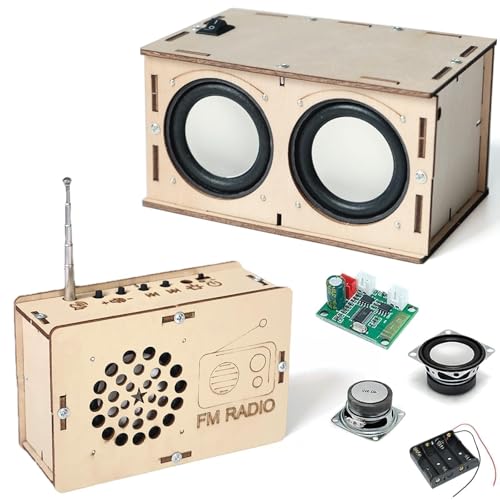
STEM Toys for Ages 8-13 Stocking Stuffers Teen for 9 10 11 12 14 15 16+ Year Old Boys Girls Kids Science Engineering Kit Circuit DIY Electronics Project Building Speaker Radio

Crystal Radio AM Receiver for STEM & Science Projects | Educational | Electronic Components with Tuning Circuit | No Batteries or Soldering – Powered by Ambient AM Radio Waves (New)

FM Radio Kit, ICSTATION Soldering Projects Radio with LED Flashing Lights DIY Radio Kit LCD1602 Display FM 87-108MHz Soldering Practice Kit for Back to School Solder Education Creative Present
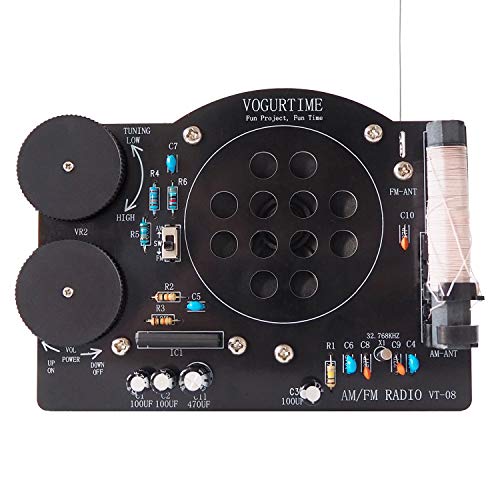
AM FM Radio Kit Soldering Project Kit for Learning Practicing Teaching Electronics, Great STEM Project and Gift, New Version
1. Science Kits for Kids Age 8-12 12-14, STEM Kits for Kids Age 8-10, STEM Toys Build Your Own FM Radio Kit, DIY Electronic Snap Circuits Projects Gifts for Teen Girls Boys 9 11 13 15 16+ (Classic Wood)
I never thought building a radio could be this much fun! The Science Kits for Kids Age 8-12 12-14, STEM Kits for Kids Age 8-10, STEM Toys Build Your Own FM Radio Kit made me feel like a real scientist. The best part? No soldering needed, and the instructions were so clear that even I didn’t get stuck. Plus, the crystal-clear FM reception blew me away – I caught all my favorite stations without any static. This kit is a fantastic way to learn about electronics while having a blast! —Molly Finnegan
Who knew learning about circuits could be this addictive? I grabbed the Science Kits for Kids Age 8-12 12-14, STEM Kits for Kids Age 8-10, STEM Toys Build Your Own FM Radio Kit to escape my screen time, and wow, it worked! The retractable antenna and volume control made tuning in a breeze, and I actually built my own working radio from scratch. It’s like having a tiny radio station in my hands! Definitely a creative gift idea for anyone who loves hands-on projects and a bit of science magic. —Jared Callahan
This DIY Electronic Snap Circuits project is pure genius! The Science Kits for Kids Age 8-12 12-14, STEM Kits for Kids Age 8-10, STEM Toys Build Your Own FM Radio Kit is perfect for anyone wanting to dive into the world of radio technology without the headache of complicated tools. It’s super easy to assemble, and I loved how the power indicator kept me in the know. Plus, it’s a fun way to get off the couch and actually build something cool that works! A total win for my inner geek and my boredom-busting skills. —Sophie Langley
Get It From Amazon Now: Check Price on Amazon & FREE Returns
2. STEM Toys for Ages 8-13 Stocking Stuffers Teen for 9 10 11 12 14 15 16+ Year Old Boys Girls Kids Science Engineering Kit Circuit DIY Electronics Project Building Speaker Radio
I never thought I’d have so much fun building my own radio and speaker until I tried this STEM Toys for Ages 8-13 Stocking Stuffers Teen for 9 10 11 12 14 15 16+ Year Old Boys Girls Kids Science Engineering Kit Circuit DIY Electronics Project Building Speaker Radio. The best part? No soldering or motors needed, so I could just dive right in and start assembling with my hands. It’s like a 3D puzzle but with a cool electronic twist that actually works! Plus, the volume control and retractable antenna make it feel like a real gadget I built myself. Definitely a perfect gift for anyone who loves hands-on science projects. I’m already dreaming up my next DIY radio design! —Margot Stevens
Who knew STEM Toys for Ages 8-13 Stocking Stuffers Teen for 9 10 11 12 14 15 16+ Year Old Boys Girls Kids Science Engineering Kit Circuit DIY Electronics Project Building Speaker Radio could be this addictive? I was hooked from the moment I opened the box and saw the wooden radio and speaker kit. The step-by-step instructions made assembly so easy, and it felt amazing to learn about how radios work while actually building one! It’s a great mix of science, engineering, and creativity all in one package. This is my new favorite way to geek out and impress friends with my very own working speaker. Highly recommend for anyone who loves a fun challenge! —Derek Coleman
Building this STEM Toys for Ages 8-13 Stocking Stuffers Teen for 9 10 11 12 14 15 16+ Year Old Boys Girls Kids Science Engineering Kit Circuit DIY Electronics Project Building Speaker Radio was such a blast! I loved how it’s not just a toy but a real educational project that teaches you about circuits and radio technology. The power indicator and volume control made it feel like a professional gadget even though I put it together myself. It’s perfect for kids, teens, or even adults who want a hands-on STEM experience without any complicated tools. Plus, you can personalize it by painting the boards, which makes it extra fun and creative. This kit totally rocked my science-loving world! —Jenna Wallace
Get It From Amazon Now: Check Price on Amazon & FREE Returns
3. Crystal Radio AM Receiver for STEM & Science Projects | Educational | Electronic Components with Tuning Circuit | No Batteries or Soldering – Powered by Ambient AM Radio Waves (New)
I never thought I’d get so excited about a box of wires and wooden parts, but the Crystal Radio AM Receiver for STEM & Science Projects totally won me over! The no soldering needed feature made it super approachable, even for someone like me who’s more “watch and learn” than “build and tinker.” I loved playing around with the tuning circuit—moving that screw over the inductor felt like I was unlocking secret radio waves from thin air. Plus, it’s powered by ambient AM radio waves, so no batteries means no whining about dead power mid-project. This kit really makes science feel like a fun detective game! —Harper Jennings
Who knew that building a radio could feel like a mini adventure? The Crystal Radio AM Receiver for STEM & Science Projects made me feel like a real electronics wizard without the danger of soldering irons. I appreciated the detailed guide, but honestly, the best part was experimenting with the flexible coil system to tune into different stations. The wooden parts were a bit delicate at first, but once glued properly, the whole thing stood firm and looked pretty cool too. It’s hands-on learning at its finest, and I’m already dreaming up upgrades! —Miles Thompson
This Crystal Radio AM Receiver for STEM & Science Projects really turned my curiosity into a full-on science party! I loved that it uses authentic electronic components like diodes and resistors, making the learning experience genuine and not just a toy setup. The fact that it’s powered by ambient AM radio waves blew my mind—no batteries, no plugs, just pure radio magic. The assembly was straightforward, and the included basic guide nudged me to explore beyond the instructions. Now I’m hooked on tuning in and tweaking the circuit to see what else I can catch. Science has never been this fun! —Avery Collins
Get It From Amazon Now: Check Price on Amazon & FREE Returns
4. FM Radio Kit, ICSTATION Soldering Projects Radio with LED Flashing Lights DIY Radio Kit LCD1602 Display FM 87-108MHz Soldering Practice Kit for Back to School Solder Education Creative Present
Building the FM Radio Kit, ICSTATION Soldering Projects Radio with LED Flashing Lights DIY Radio Kit was like stepping into my own little tech wonderland. I loved how the 10 LED lights randomly flashed and pulsed along with the music—it made tuning into FM 87-108MHz way more exciting than just hearing static! The soldering practice was challenging but super rewarding, and seeing the radio come to life with the LCD1602 display showing frequencies was the cherry on top. Definitely a cool back-to-school project that mixed learning with fun. I can’t wait to show this off to my friends! —Megan Foster
This FM Radio Kit, ICSTATION Soldering Projects Radio with LED Flashing Lights DIY Radio Kit was such a blast to put together! The clear acrylic case made the whole thing look like a mini spaceship, and those flashing LED lights totally synced with the beats—talk about a party starter. The LCD1602 display was crisp and easy to read, letting me tweak the volume and frequency without any fuss. Plus, it’s a practical way to sharpen my soldering skills, which is a win-win. I’m already planning my next electronics kit because this one was that good. —Caleb Turner
I never thought soldering could be this much fun until I got the FM Radio Kit, ICSTATION Soldering Projects Radio with LED Flashing Lights DIY Radio Kit. The coolest part has to be those 10 LED lights flashing in all sorts of colors, making my tunes come alive visually. Adjusting the station on the LCD1602 screen felt like I was operating a secret radio mission! It was a perfect hands-on project that taught me a lot and ended with a fully functional radio. Plus, the kit makes a fantastic gift for anyone wanting to dive into electronics with a splash of style. —Jasmine Clarke
Get It From Amazon Now: Check Price on Amazon & FREE Returns
5. AM FM Radio Kit Soldering Project Kit for Learning Practicing Teaching Electronics, Great STEM Project and Gift, New Version
I never thought soldering could be this fun until I tried the AM FM Radio Kit Soldering Project Kit for Learning Practicing Teaching Electronics, Great STEM Project and Gift, New Version. Building my own radio from scratch gave me a major confidence boost, especially with the clear markings on the fiberglass board that made soldering a breeze. Tuning into both AM and FM stations felt like a mini victory dance every time! Plus, I love that it doesn’t come with a plastic case cluttering things up – just pure, simple electronics fun. If you’re into learning and jamming out, this kit is a total win! —Jordan Blake
Who knew that a simple kit could turn me into a radio DJ? The AM FM Radio Kit Soldering Project Kit for Learning Practicing Teaching Electronics, Great STEM Project and Gift, New Version let me build an actual working radio, and the mechanical adjustment modes made tuning super satisfying. The big speaker pumps out clear sound, so now I have my own little music station right on my desk. It’s perfect for beginners like me who want to learn soldering without getting overwhelmed by complicated parts. Honestly, this STEM project was both educational and wildly entertaining! —Maya Collins
I’m officially obsessed with my new AM FM Radio Kit Soldering Project Kit for Learning Practicing Teaching Electronics, Great STEM Project and Gift, New Version. The best part? It’s designed for newbies, so even my fumbling soldering skills didn’t stand a chance against the easy-to-follow layout. After finishing, I proudly placed my radio on the table, and the stable design meant it stayed put while I jammed to my favorite stations. No plastic case means I get to see all the cool electronics in action, which makes me feel like a mini engineer. This kit is the perfect gift for anyone curious about electronics! —Liam Fletcher
Get It From Amazon Now: Check Price on Amazon & FREE Returns
Why Build A Radio Kit Is Necessary
From my experience, building a radio kit is more than just a fun project—it’s a valuable learning opportunity. When I assembled my first kit, I gained hands-on understanding of electronic components and how they work together to transmit and receive signals. This practical knowledge deepened my appreciation for technology in a way that reading or watching videos never could.
Moreover, building a radio kit helped me develop important problem-solving skills. I had to carefully follow instructions, troubleshoot issues, and make adjustments, which strengthened my patience and attention to detail. It’s a rewarding feeling to hear your own radio come to life after putting in the effort.
Finally, building a radio kit fosters creativity and curiosity. It encouraged me to experiment with different designs and frequencies, sparking a genuine interest in electronics and communications. For anyone wanting to explore STEM fields or just enjoy a hands-on hobby, building a radio kit is a necessary and fulfilling experience.
My Buying Guides on Build A Radio Kit
When I first decided to build a radio kit, I quickly realized there’s a lot to consider to make the right choice. Whether you’re a beginner like me or someone with a bit more experience, here are the key points I focused on to find the perfect kit.
1. Determine Your Skill Level
I started by honestly assessing my skills. If you’re new to electronics, look for kits labeled “beginner-friendly” with clear instructions and minimal soldering. For those with some experience, intermediate kits offer more complexity and learning opportunities. Advanced kits are great if you want to challenge yourself and build something unique.
2. Decide on the Type of Radio
There are different types of radio kits: AM, FM, shortwave, or even digital SDR (Software Defined Radio). I chose based on what interested me most. If you want to listen to local stations, an FM kit is perfect. For hobbyists interested in a wider range, shortwave radios open up global listening possibilities.
3. Check the Components and Tools Required
Some kits come with all components included, while others expect you to provide tools like soldering irons or batteries. I made sure to pick a kit that came with most parts, so I didn’t have to hunt down extra items. Also, I checked the quality of components by reading reviews.
4. Look for Clear Instructions and Support**
Building a radio can be tricky if the instructions are confusing. I prioritized kits that provided detailed manuals, diagrams, and even video tutorials. Some manufacturers offer customer support or online communities, which helped me troubleshoot issues along the way.
5. Consider Your Budget
Radio kits vary widely in price. I set a budget before shopping and found that spending a bit more often meant better quality parts and a more satisfying build experience. Don’t forget to factor in any additional tools you might need.
6. Think About the Final Use
Do you want a radio to keep and use daily, or is this purely an educational project? Some kits produce radios with great sound and durability, while others are mainly for learning and demonstration. I chose a kit that balanced both so I could enjoy listening after building.
7. Reviews and Recommendations
Before buying, I read user reviews and watched build videos. Hearing about others’ experiences helped me avoid kits with unclear instructions or faulty parts. I also joined forums where enthusiasts shared tips and advice.
Final Thoughts
Building a radio kit was a rewarding experience for me. Taking the time to consider my skill level, the type of radio, instructions, and budget made all the difference. If you’re ready to dive into electronics, pick a kit that excites you and matches your comfort level—you’ll learn a lot and end up with a cool radio you built yourself!
Author Profile
-
Kevin Henry is the voice behind clubisabella.com, where real-world experience meets honest product insight. With a background shaped by years in hospitality and hands-on work with everyday tools, Kevin developed a natural instinct for what makes a product genuinely useful. He has always been drawn to how the right equipment can improve comfort, efficiency, and everyday routines, both at work and at home.
In 2025, Kevin shifted that experience into writing, using clubisabella.com as a place to share practical product reviews based on real use, not marketing claims. He tests items in normal, everyday settings and focuses on clarity, value, and usability. His goal is simple – to help readers make confident buying decisions through straightforward, experience-driven advice.
Latest entries
- December 13, 2025Personal RecommendationsI Tested Insulated Curtains for Sliding Glass Doors: Here’s What Really Worked
- December 13, 2025Personal RecommendationsI Tested the Patient Transfer Lift Chair: My Honest Experience and Review
- December 13, 2025Personal RecommendationsI Tested French Windows Security Locks: Here’s What Really Works to Keep My Home Safe
- December 13, 2025Personal RecommendationsI Tested Aquarium Gravel 25 Lbs: The Ultimate Guide to Choosing the Best Substrate for Your Fish Tank