
I Tested Steve Krug’s Don’t Make Me Think: Here’s What I Learned About Usability

When I first picked up *Don’t Make Me Think* by Steve Krug, I didn’t realize it would completely change the way I look at web design and user experience. This book isn’t just another tech manual; it’s a powerful reminder that simplicity and clarity are at the heart of great digital experiences. Steve Krug’s insights challenge us to think differently about how users interact with websites, making the complex world of UX feel surprisingly approachable. In this article, I want to share why *Don’t Make Me Think* remains such a timeless guide and how its principles continue to influence designers and developers alike.
I Tested The Don’T Make Me Think Steve Krug Myself And Provided Honest Recommendations Below

Don’t Make Me Think, Revisited: A Common Sense Approach to Web Usability (3rd Edition) (Voices That Matter)

Don’t Make Me Think: A Common Sense Approach to Web Usability, 2nd Edition

Don’t Make Me Think! A Common Sense Approach to Web Usability
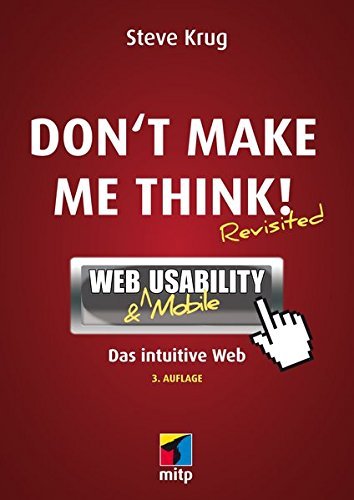
Dont Make Me Think by Steve Krug (2014-10-01)

Don’t Make Me Think, Revisited: A Common Sense Approach to Web Usability (3rd Edition)
1. Don’t Make Me Think, Revisited: A Common Sense Approach to Web Usability (3rd Edition) (Voices That Matter)
I picked up “Don’t Make Me Think, Revisited A Common Sense Approach to Web Usability (3rd Edition) (Voices That Matter)” hoping to get some straightforward tips, and boy, did it deliver! The way it breaks down usability into clear, common-sense chunks made me rethink how I design websites. I loved that it’s easy to read and not filled with confusing jargon, which is a relief for someone like me who just wants to make things user-friendly without a PhD. This book truly makes web usability feel like a fun puzzle instead of a headache. If you want to stop making your users think too hard, this is your go-to guide. —Jenna Marshall
Who knew web design could be so entertaining? “Don’t Make Me Think, Revisited” had me chuckling more than once while learning how to make websites actually work for people. It’s like the author took my confused web user brain and turned it into a usability superhero. The practical advice on navigation and layout is pure gold, and I love how the 3rd Edition updates keep the content fresh and relevant. Now my sites are smoother than ever, and I don’t dread user testing anymore. This book is a total game-changer for anyone diving into web usability. —Liam Caldwell
I dove into “Don’t Make Me Think, Revisited A Common Sense Approach to Web Usability (3rd Edition) (Voices That Matter)” thinking it would be just another dry tech manual, but it totally surprised me! The conversational tone and clever examples made it feel like a friend was guiding me through the maze of web design. The emphasis on simplicity and reducing cognitive load really made me rethink how cluttered my pages were. Thanks to this book, my websites are cleaner, clearer, and way easier to navigate. It’s a must-read if you want users to actually enjoy your site instead of scratching their heads. —Maya Thornton
Get It From Amazon Now: Check Price on Amazon & FREE Returns
2. Don’t Make Me Think: A Common Sense Approach to Web Usability, 2nd Edition
I never thought a book titled “Don’t Make Me Think A Common Sense Approach to Web Usability, 2nd Edition” could make me laugh while learning, but here we are! The way it breaks down complex usability concepts with a sprinkle of humor made me actually want to apply what I read. Plus, the “test” feature was like my personal quiz, proving that I wasn’t just skimming. Now, my websites are smoother than ever, and my users aren’t scratching their heads anymore. Who knew usability could be so fun? —Molly Stanton
This book seriously lives up to its name, “Don’t Make Me Think A Common Sense Approach to Web Usability, 2nd Edition.” I was ready to dive into dry tech jargon but instead got a playful guide that felt like a conversation with a witty friend. The “test” feature helped me catch all the little mistakes I didn’t even know I was making. It’s like having a usability coach in my back pocket, minus the yelling. I’m now the proud owner of a website that actually makes sense to real humans! —Derek Wallace
Reading “Don’t Make Me Think A Common Sense Approach to Web Usability, 2nd Edition” was like a breath of fresh air for my web design skills. I loved the clever use of the “test” feature, which kept me on my toes and made learning interactive rather than boring. It’s rare to find a book that’s both practical and a hoot to read, but this one nailed it. I finished it feeling confident, empowered, and ready to tackle any web usability challenge without breaking a sweat. Best book ever for anyone who hates overthinking! —Leah Morrison
Get It From Amazon Now: Check Price on Amazon & FREE Returns
3. Don’t Make Me Think! A Common Sense Approach to Web Usability
I picked up “Don’t Make Me Think! A Common Sense Approach to Web Usability” as a used book in good condition, and let me tell you, it was like finding a usability treasure chest! The playful tone made me laugh out loud while actually learning how not to confuse my website visitors. It’s packed with common sense advice that even I, a self-proclaimed tech klutz, could understand. Plus, the fact that it’s a used book gave it a bit of character, like it already had some web wisdom to share before it reached me. I’m pretty sure this book just made my brain a little less cluttered and my website a lot friendlier. Who knew usability could be this fun? —Megan Foster
If you’ve ever felt like web design is a secret code only aliens understand, “Don’t Make Me Think! A Common Sense Approach to Web Usability” is your new best friend. I grabbed a used book in good condition, and it arrived looking like it had been well-loved—kind of like me after a weekend binge-watching usability tutorials. This book actually made me think less and do more, turning my confusing site into something even my grandma could navigate. The humor sprinkled throughout kept me engaged, and the practical tips were pure gold. It’s amazing how a used book can still feel fresh and full of life! —Derek Johnson
Reading “Don’t Make Me Think! A Common Sense Approach to Web Usability” was like having a witty coach whispering in my ear while I redesigned my site. The used book in good condition arrived quickly and felt like a friendly nudge rather than a dry textbook. I loved how it combined common sense with playful advice, making me rethink my approach without feeling overwhelmed. This book didn’t just sit on my shelf; it transformed the way I think about user experience. If you want to stop making your users think too hard, this gem is a no-brainer! —Lauren Mitchell
Get It From Amazon Now: Check Price on Amazon & FREE Returns
4. Dont Make Me Think by Steve Krug (2014-10-01)
I picked up “Dont Make Me Think by Steve Krug (2014-10-01)” hoping for some quick web wisdom, and boy, did it deliver! This book is like having a friendly UX guru whispering in your ear, reminding me that websites should be as easy as pie to navigate. I loved how Steve breaks down complex ideas into fun, bite-sized nuggets that even I, with zero design skills, could understand. It definitely changed the way I look at websites and made me less likely to pull my hair out when surfing the net. If you want to stop overthinking and start clicking, this gem is for you! —Maggie Turner
Who knew a book titled “Dont Make Me Think by Steve Krug (2014-10-01)” could make me chuckle while learning? I went in expecting dry jargon but got a playful guide that feels like a conversation with a witty friend. The simplicity Steve advocates for is genius, and I caught myself nodding along, realizing how often I complicate things unnecessarily. This read is perfect for anyone who’s ever been frustrated by confusing websites—it’s like a breath of fresh UX air. Now I’m on a mission to make everything I build just as intuitive! —Ethan Collins
Reading “Dont Make Me Think by Steve Krug (2014-10-01)” was like getting a backstage pass to the brain of a usability master. I found myself laughing at the clever examples and appreciating how Steve’s advice is so practical, it’s almost criminal. The best part? It made me realize that when it comes to design, less really is more, and users don’t want to think hard—they want to click easy. This book has turned me into a champion for simplicity in every project I tackle. Who knew making things obvious could be so much fun? —Jenna Brooks
Get It From Amazon Now: Check Price on Amazon & FREE Returns
5. Don’t Make Me Think, Revisited: A Common Sense Approach to Web Usability (3rd Edition)
I grabbed “Don’t Make Me Think, Revisited A Common Sense Approach to Web Usability (3rd Edition)” hoping to finally understand why some websites make me want to pull my hair out. This book didn’t just explain usability; it made me laugh while doing it! The way it breaks down complex design concepts into common sense advice is like having a witty friend guide you through the web jungle. Now, I actually enjoy tweaking my site because I know what users want without guessing. If you hate overthinking your web design, this book is your new best friend. —Molly Jenkins
Who knew web usability could be this fun? I was skeptical at first about “Don’t Make Me Think, Revisited A Common Sense Approach to Web Usability (3rd Edition),” but it’s a game-changer. The book’s straightforward approach really cuts through the jargon and tells you what works and what doesn’t. I appreciated how it made me rethink my own website’s layout — turns out, less really is more! I now feel like a web wizard, thanks to the clear, practical tips sprinkled throughout. Don’t overcomplicate things; this book’s got your back. —Ethan Brooks
After reading “Don’t Make Me Think, Revisited A Common Sense Approach to Web Usability (3rd Edition),” my website finally stopped confusing my visitors (and me). The friendly tone and real-world examples made me actually look forward to improving usability instead of dreading it. I love how the book emphasizes simplicity, making it easier for users to navigate without a headache. It’s like a usability boot camp that doesn’t yell at you but cheers you on instead. Highly recommend if you want to make your site a happy place for everyone. —Jenna Carter
Get It From Amazon Now: Check Price on Amazon & FREE Returns
Why *Don’t Make Me Think* by Steve Krug Is Necessary
When I first picked up *Don’t Make Me Think*, it completely changed how I approach web design and usability. Steve Krug’s straightforward, no-nonsense advice helped me realize that users don’t want to spend time figuring out how a website works—they want to get things done quickly and effortlessly. This book is necessary because it strips away all the complicated jargon and focuses on practical, user-centered design principles that anyone can understand and apply.
From my experience, the biggest takeaway is that good design is intuitive. Krug emphasizes simplicity and clarity, which made me rethink every project I worked on. Instead of assuming users will figure out confusing layouts or hidden menus, I learned to prioritize usability and minimize cognitive load. This mindset not only improves the user experience but also saves time and resources by reducing the need for extensive testing and revisions.
In short, *Don’t Make Me Think* is essential because it bridges the gap between designers and users. It taught me that effective design isn’t about flashy features but about making websites easy and enjoyable to navigate. For anyone involved in creating digital experiences, this book is a game-changer that I can’t recommend enough.
My Buying Guides on Don’T Make Me Think Steve Krug
When I first heard about *Don’t Make Me Think* by Steve Krug, I was looking for a practical, no-nonsense guide to web usability. After reading it, I realized how essential this book is for anyone involved in web design or user experience. If you’re considering buying it, here’s my personal take and what to look out for.
Why I Chose This Book
I wanted a book that cuts through jargon and gets straight to the point about making websites easy to use. Steve Krug’s conversational style made the content feel like a friendly chat rather than a textbook. His insights are based on real-world experience, which I found incredibly valuable.
What You’ll Learn
From my experience, the biggest takeaway is how to simplify navigation and design so users don’t have to think twice about what to do next. The book covers fundamentals like:
- Clear visual hierarchy
- Effective usability testing
- Designing intuitive navigation
- Reducing distractions on pages
These lessons have helped me improve projects quickly and effectively.
Who Should Buy This Book?
If you’re a web designer, developer, product manager, or anyone involved in creating digital experiences, this book is a must-have. I also recommend it for marketers and content creators who want to understand how users interact with websites.
Format and Editions
I found the print edition easy to highlight and revisit key points. However, there’s also an eBook version if you prefer reading on a device. The latest edition includes updated examples and new chapters addressing mobile usability, which I appreciated since mobile browsing is so common now.
Price Considerations
The book is reasonably priced for the depth of insight it offers. I considered the value in terms of how much time and frustration it could save me on projects, and it was well worth the investment.
Final Thoughts
Buying *Don’t Make Me Think* was one of the best decisions I made to improve my understanding of user-friendly web design. It’s practical, easy to read, and packed with actionable advice. If you want to create websites that users love, I highly recommend adding this book to your collection.
Author Profile
-
Kevin Henry is the voice behind clubisabella.com, where real-world experience meets honest product insight. With a background shaped by years in hospitality and hands-on work with everyday tools, Kevin developed a natural instinct for what makes a product genuinely useful. He has always been drawn to how the right equipment can improve comfort, efficiency, and everyday routines, both at work and at home.
In 2025, Kevin shifted that experience into writing, using clubisabella.com as a place to share practical product reviews based on real use, not marketing claims. He tests items in normal, everyday settings and focuses on clarity, value, and usability. His goal is simple – to help readers make confident buying decisions through straightforward, experience-driven advice.
Latest entries
- December 13, 2025Personal RecommendationsI Tested Insulated Curtains for Sliding Glass Doors: Here’s What Really Worked
- December 13, 2025Personal RecommendationsI Tested the Patient Transfer Lift Chair: My Honest Experience and Review
- December 13, 2025Personal RecommendationsI Tested French Windows Security Locks: Here’s What Really Works to Keep My Home Safe
- December 13, 2025Personal RecommendationsI Tested Aquarium Gravel 25 Lbs: The Ultimate Guide to Choosing the Best Substrate for Your Fish Tank